
Start with your kit documentation and the site. This guide helps you organize an installation; model-specific instructions and the appropriate site design govern the work.
1. Identify the building
Have the manufacturer, exact model, footprint, height, door arrangement, packing list, and assembly manual available. A footprint alone does not describe every framing or cover detail.
2. Settle the site and anchoring plan
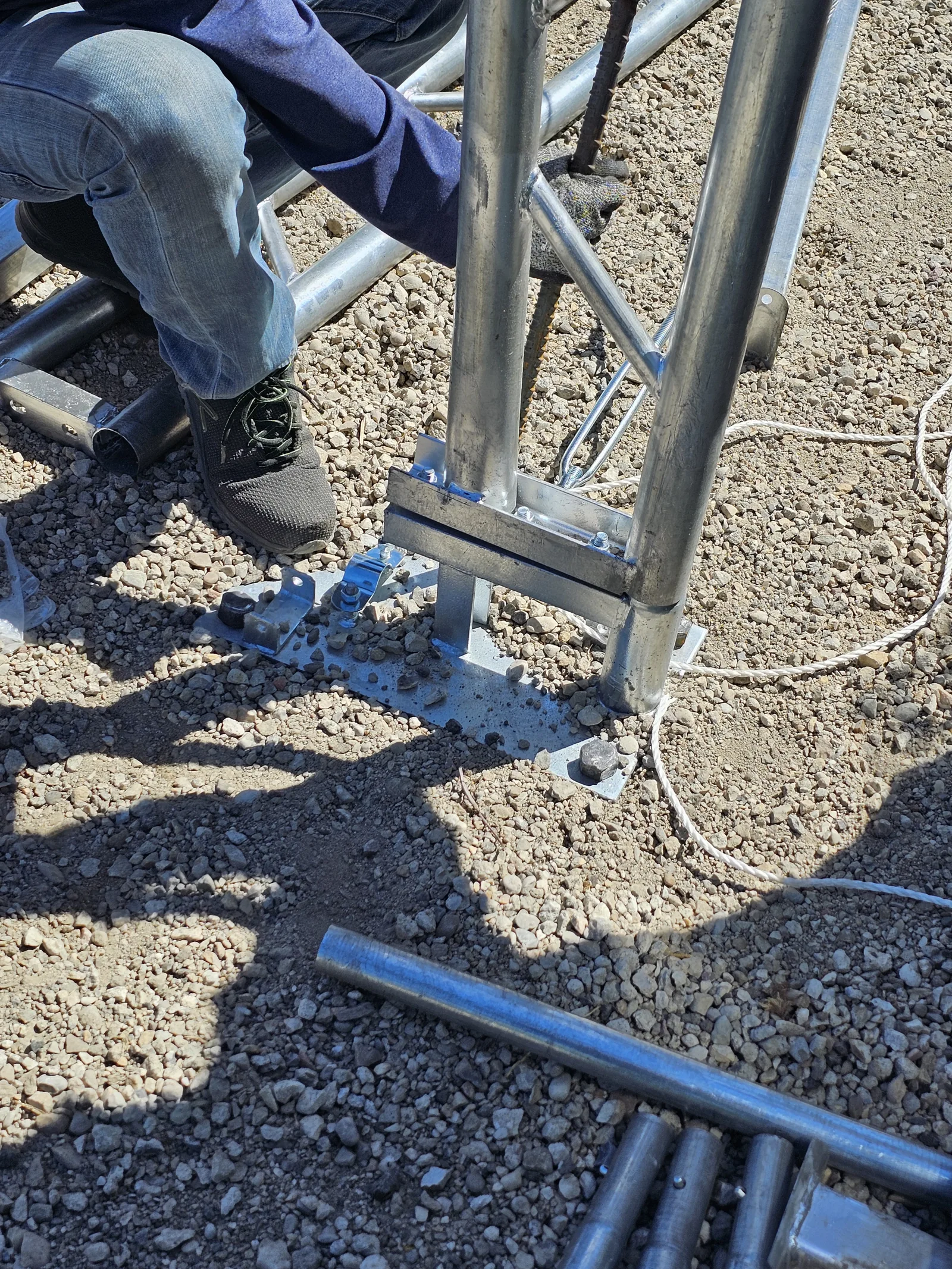
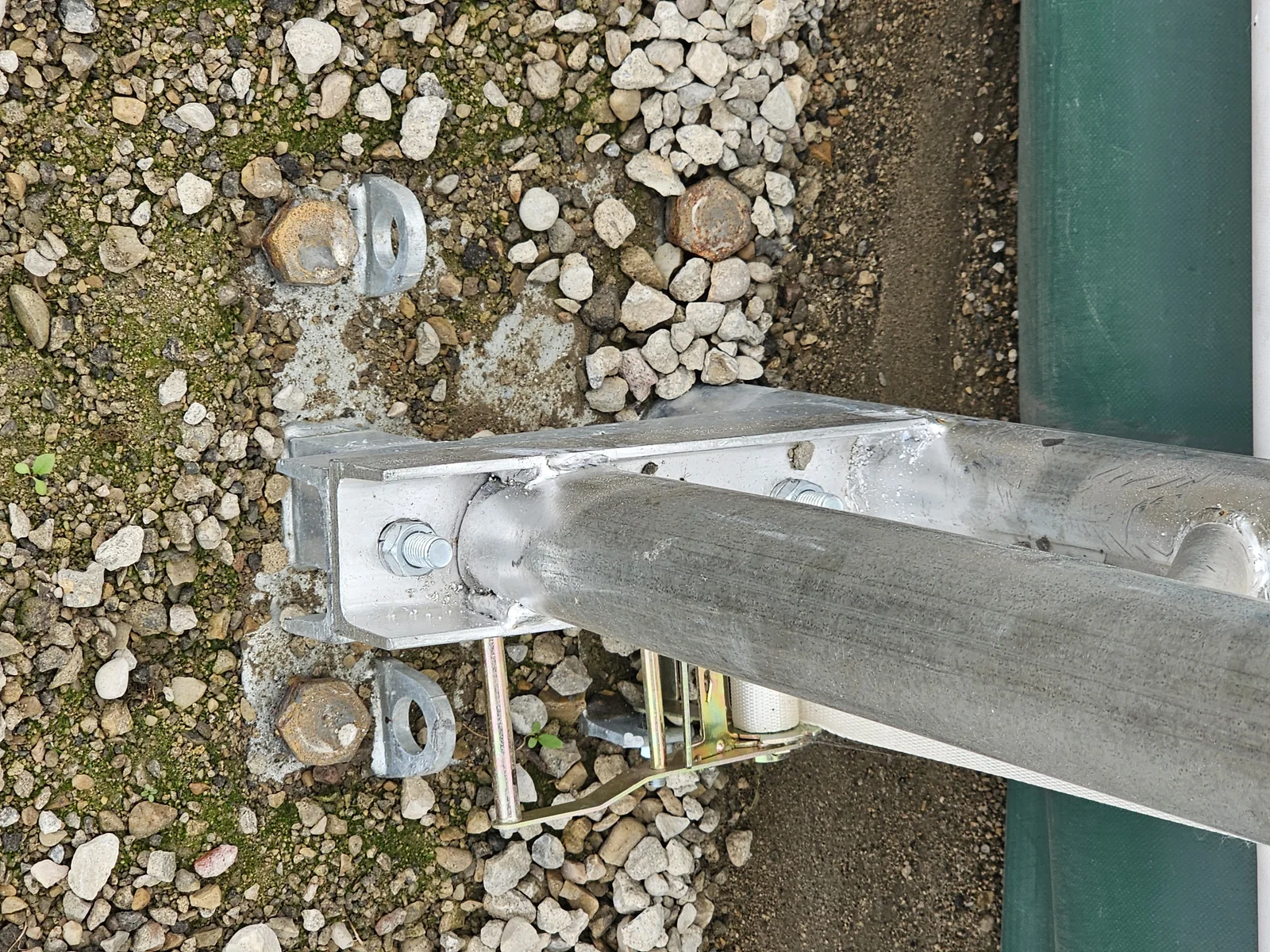
Review the proposed location, access, ground conditions, clearances, and intended use. Anchoring must suit the building and site. Discuss the manufacturer's requirements and any local approvals before preparing the base.
Different projects use different bases and anchoring methods. Do not assume every kit requires a concrete slab, or that one generic stake arrangement is suitable everywhere.
3. Check the kit before mobilization
Match delivered components to the packing list and document visible damage or shortages. Keep identification labels and manufacturer instructions. Tell the installer about missing parts before scheduling work that depends on them.
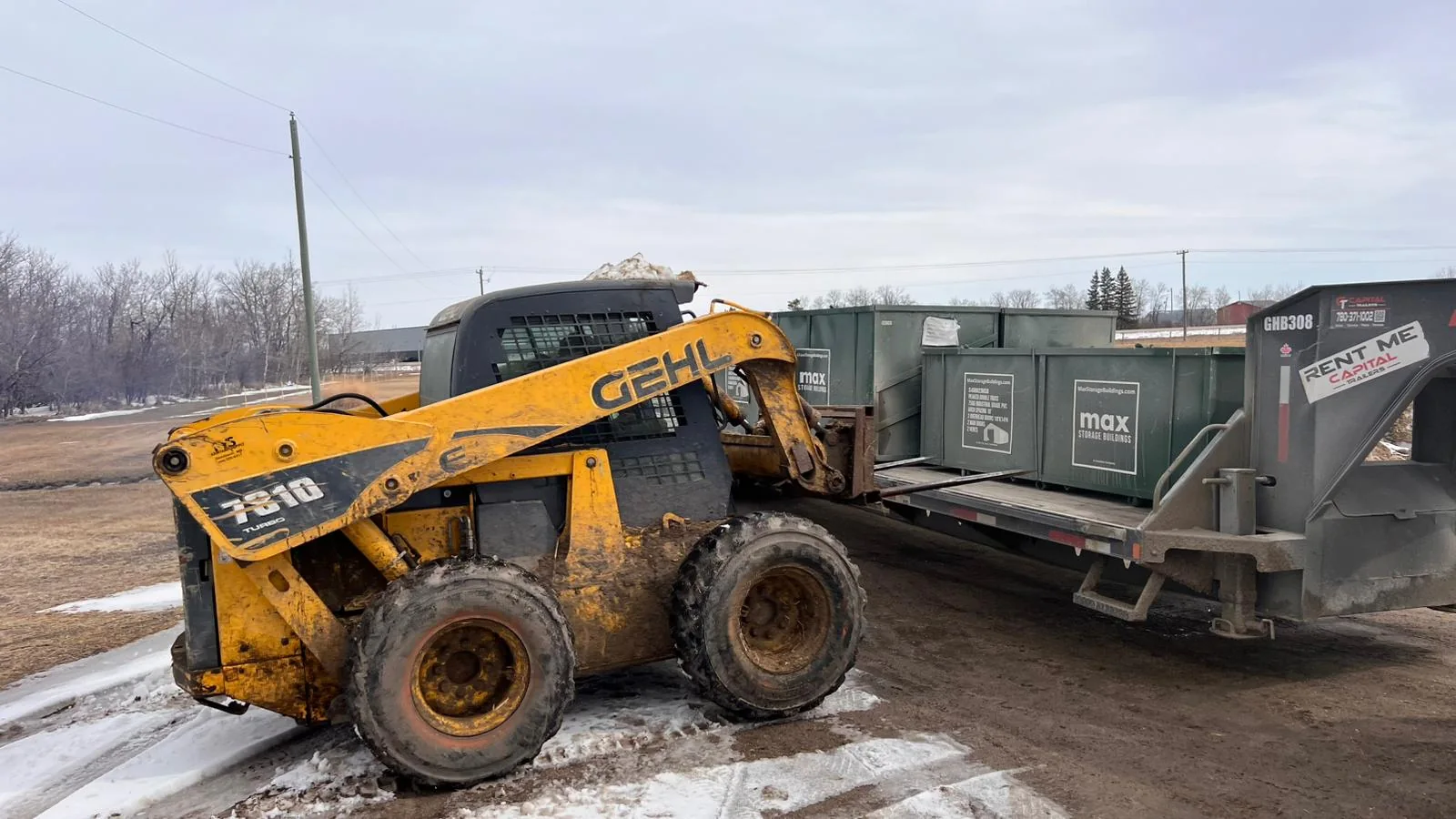
4. Plan equipment and access
Confirm which machines the installation needs, their operating space, ground support, reach, capacity, and delivery access. Equipment rentals are separate from Max Contractors' published base installation price.
What planning looks like on site.
5. Agree the installation scope
Confirm frame assembly, cover work, and anchoring responsibilities. Identify work supplied by the customer or other trades. Groundworks, foundations, permits, kit purchases, and changes outside the agreed installation scope are separate.
6. Confirm project costs and timing
Use the installation price table for the base. Equipment rentals, travel, and lodging are assessed once the project details are understood. Confirm the written quote, payment conditions, site readiness, and proposed schedule before mobilization.
7. Assemble and review
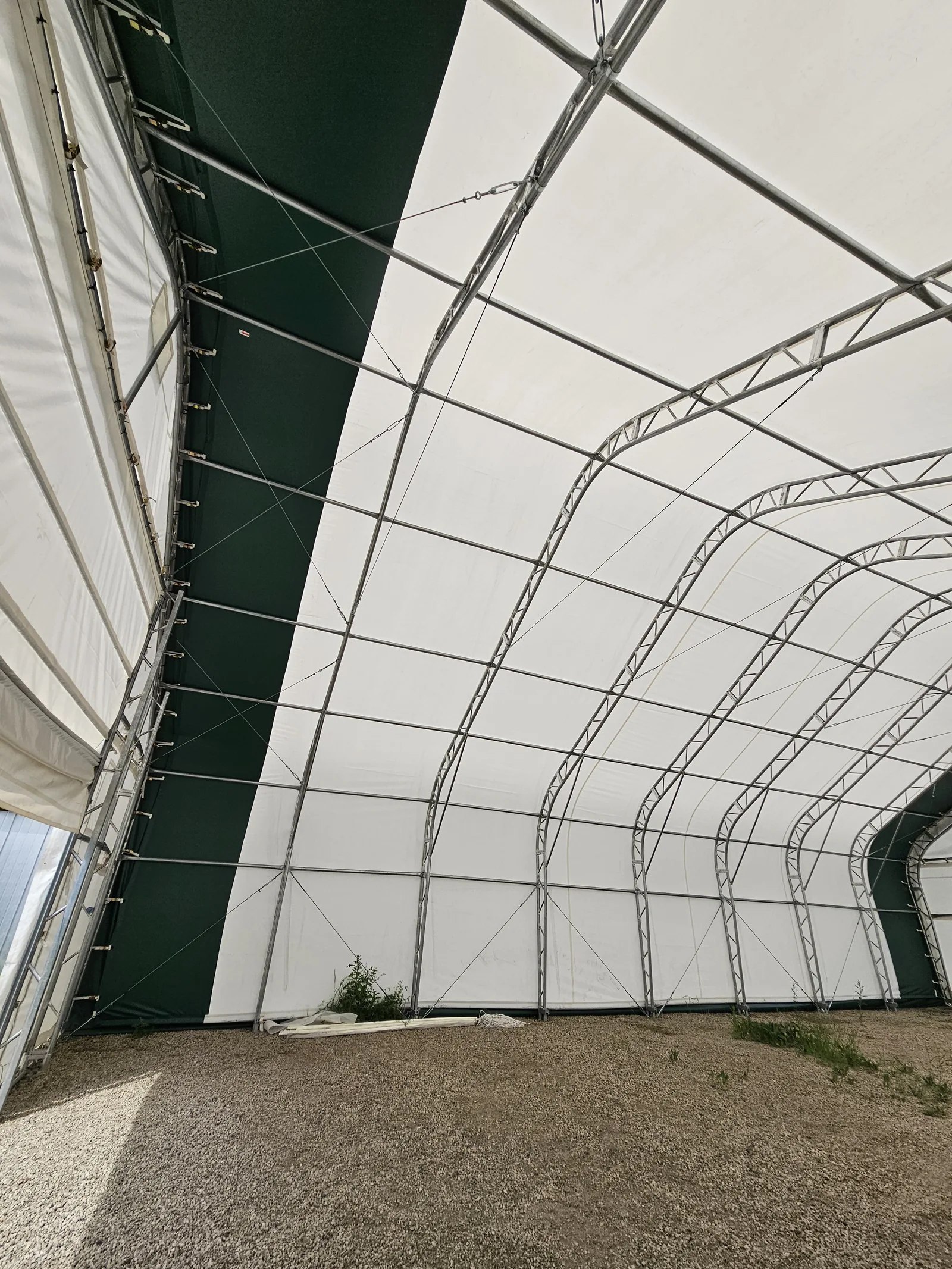
The crew follows the agreed installation plan and relevant kit requirements. Weather or missing components may change the sequence. Review the completed scope, remaining items, maintenance instructions, and warranty responsibilities at handover.
If you have already started
Record the model, current assembly stage, parts available, and any damage. Share clear photographs before further work is planned. An unfinished or damaged building needs an individual assessment; the standard new-installation price may not describe that scope.
Help with a stalled build →Reference documents for your project
The exact model manual and your site documents are the starting point. For questions about which authority handles code requirements, see Codes Canada technical enquiries from the National Research Council. Use the appropriate local authority for a decision about your project.
Our source guidance explains how to distinguish our installation information from manufacturer specifications and site approvals.
From the connections to the covered space.
Keep these records together
- Manufacturer instructions and model identification
- Site, anchoring, and approval documents where required
- Packing list and records of shortages or damage
- Written installation scope and price
- Payment, scheduling, handover, and warranty records
Bring us the kit details.
Brand, size, nearest town, and timing give us a starting point for the installation conversation.
Discuss installation →